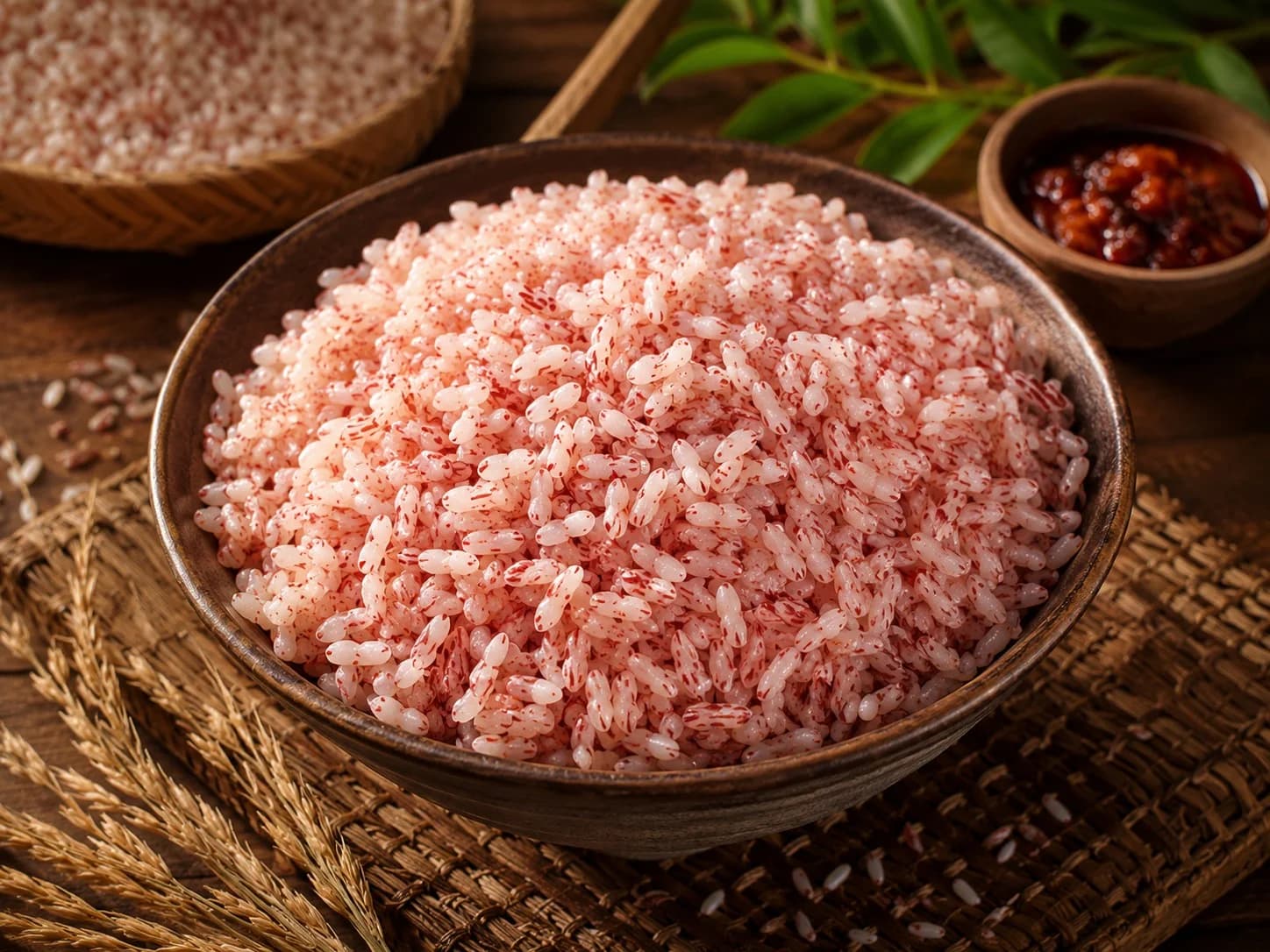
"Pazhaya aa taste ippo kittunnilla." If you've heard your parents say this, or caught yourself thinking it after a bland sadhya outside Kerala, you're not imagining things. The Palakkadan Matta of the 90s has quietly vanished.
"Pazhaya aa taste ippo kittunnilla." If you've heard your parents say this, or caught yourself thinking it after a bland sadhya outside Kerala, you're not imagining things. The Palakkadan Matta of the 90s has quietly vanished from most kitchens — replaced by impostors wearing the same name.
Here's what happened. As demand for Matta rice grew beyond Kerala's borders, the supply chain expanded — and shortcuts crept in. Farmers switched to higher-yield hybrid paddy varieties that looked similar to authentic Palakkadan Matta but lacked the earthy, nutty depth that made the original special. Mills began sourcing from outside the Palakkad region. Processing methods changed to increase throughput. The grain became thinner, quicker to cook, and largely flavourless.
The GI tag for Palakkadan Matta rice exists precisely to prevent this. But its enforcement has historically been inconsistent. Rice sold as "Matta" on retail shelves is often a blend — or not Palakkadan Matta at all. Without a reliable origin trail, neither the buyer nor the end consumer can know what they're actually eating.
AREMA's answer was to go back to the source. We identified the specific farming communities in the Bharathapuzha belt still growing traditional Jyothi and Athira paddy varieties — the cultivars that produce the deep, nutty, slightly sticky Matta that older Keralites remember. These farmers grow on laterite soil, irrigated by Bharathapuzha water, at altitudes that create the right stress conditions for flavour development.
We changed our processing too. Most commercial mills parboil at high pressure to save time — but this strips flavour. AREMA uses a two-stage low-pressure parboiling method that takes longer, costs more, but preserves the natural compounds that give authentic Matta its character. The drying is done slowly, in open yards when weather permits, to avoid the smoky aftertaste that comes from aggressive kiln drying.
The result is a grain that takes you back. Not because we added anything. Because we refused to take anything away.
If you've been eating Matta rice that tastes like nothing, you now know why — and you know there's an alternative. Authentic Palakkadan Matta still exists. It just requires a supply chain that refuses to compromise.