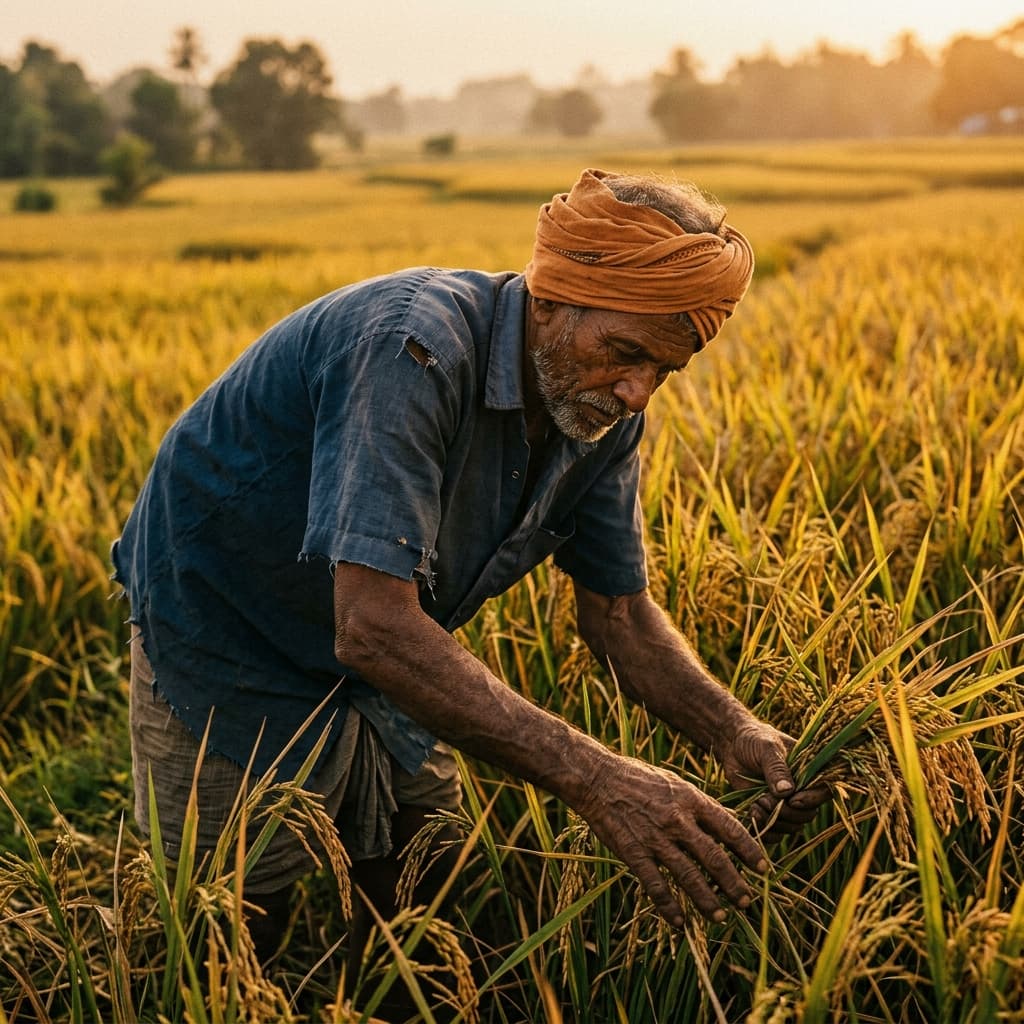
Not all red rice is Palakkadan Matta — and half of Kerala still gets fooled. We debunk the common myths surrounding this famous grain.
Palakkadan Matta rice has a devoted following — but even among those who love it most, there is a surprising amount of misinformation about what it actually is, how it behaves, and what makes it worth paying a premium for. Here are three myths that persist even among Keralites who grew up eating this grain.
Myth 1: All red rice is Palakkadan Matta. This is the most common and commercially damaging misconception. Walk into any supermarket and you'll find products labelled "red rice" or even "Matta rice" that are neither Palakkadan in origin nor Matta in variety. Red rice is grown across South and Southeast Asia — in Sri Lanka, Thailand, Bhutan, and elsewhere — and while some of it is excellent, it is not the same grain. Authentic Palakkadan Matta carries a GI tag, is grown in a specific geographic corridor in Palakkad district, and comes from specific paddy cultivars. Without these, it's just red rice.
Myth 2: Matta is hard to cook and takes too long. This belief has pushed many home cooks away from Matta and toward white rice. While traditional Matta does require more water and a longer cooking time than polished white rice, parboiled Matta — which is what AREMA produces — cooks in a manageable 25 to 30 minutes. Pressure cooker users find it even faster. The key is soaking the grain for 20 to 30 minutes before cooking, which most Matta veterans will tell you is non-negotiable. Once you adjust your method, the cooking process is entirely straightforward.
Myth 3: Matta's health benefits are exaggerated. Some consumers dismiss the nutritional claims around Matta rice as food marketing. In fact, the evidence is well-established. Parboiled Palakkadan Matta retains its bran layer, which means it contains significantly more dietary fibre, B vitamins, and minerals than polished white rice. Its glycaemic index is lower, which matters for blood sugar management. Kerala's traditional diet, centred on this grain, is associated with lower rates of diet-related chronic illness compared to regions that shifted to polished white rice. The health case is not hype — it is agricultural and nutritional fact.
These myths are not harmless. They let inferior products masquerade as the real thing, undercut farmers who grow authentic Matta at higher cost, and deprive consumers of a grain that genuinely delivers on its reputation. Knowing the truth is the first step to demanding the genuine article.