In our childhood, one of the most significant sights and ways of life in our countryside was the vast paddy fields—spread out like a lush green carpet, the true source of rice and grain.
In our childhood, one of the most significant sights and ways of life in our countryside was the vast paddy fields—spread out like a lush green carpet, the true source of rice and grain. These fields were not just agricultural land; they were the heartbeat of our communities, the place where generations met the land in a sacred contract of effort and harvest.
The granary was not merely a storage facility. It was the most important building in any household or village. To have a full granary was to have security, dignity, and the ability to feed those who depended on you. Elders would say: "When the granary is full, the family sleeps well." This phrase carried more than agricultural meaning—it was a philosophy of abundance rooted in honest work.
AREMA was born from this same ethos. Our founders grew up watching paddy farmers labour through heat and monsoon, understanding intimately that the grain they produced was not a commodity—it was a covenant. The name AREMA itself is drawn from that reverence: "Arema" echoes the Malayalam word for granary, a nod to the central role this institution played in Kerala's agrarian soul.
Today, when we source our GI-tagged Palakkadan Matta rice from the Bharathapuzha belt, we are not simply executing a supply chain transaction. We are honouring a lineage. The same land. The same grain varieties. The same commitment to doing things right, even when shortcuts are cheaper.
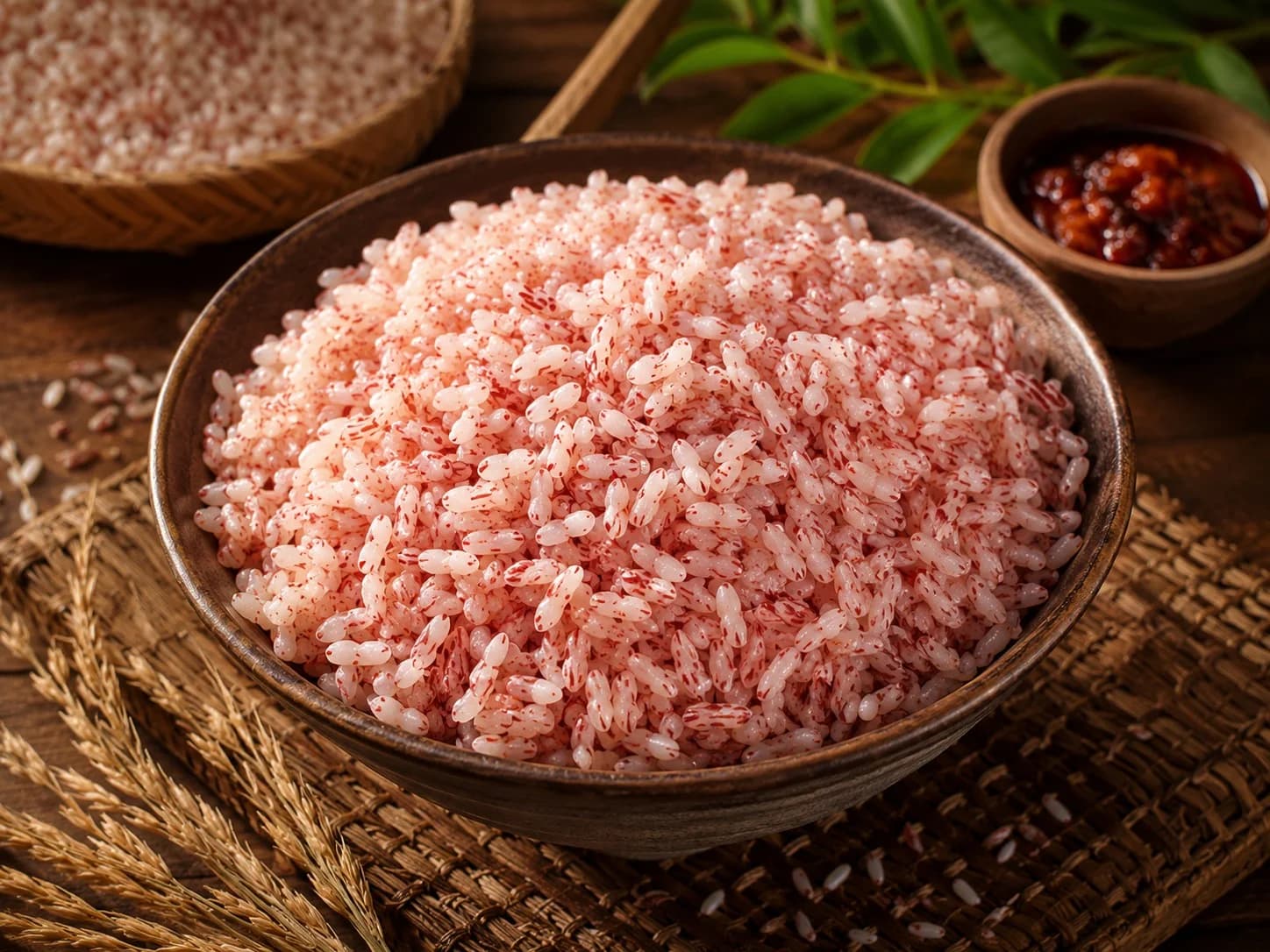
What makes Palakkadan Matta unique is not just its nutritional profile or its distinctive red bran layer—it is the fact that it cannot exist without its geography. The laterite soil, the seasonal flooding from the Bharathapuzha river, the specific humidity and altitude of the Palakkad region: these are irreplaceable conditions. The GI tag is not marketing language. It is a legal recognition that this grain is inseparable from this place.
As AREMA brings this grain to international markets—to South Asian diaspora communities in the UK, to health-conscious buyers in the Gulf, to specialty food importers in Europe—we carry that authenticity with us. We are not just exporters. We are translators of a culture, making sure that every packet of rice arriving on a shelf in London or Dubai carries the full weight of where it came from.
The granary may look different now. It may be a climate-controlled warehouse, a certified processing facility, an export container. But the spirit inside remains unchanged: honest grain, grown by honest people, handled with the care it deserves.